
Local Law 157 in New York City sets clear requirements for building owners regarding gas safety in residential properties. The regulation requires the installation of gas detection devices in dwellings where fuel gas is used, with the objective of reducing risks linked to potential leaks.
For property owners, compliance goes beyond simply installing alarms. It means ensuring that detection systems meet NYC construction codes, follow recognized fire safety standards such as NFPA, and remain operational ahead of any DOB inspection. In buildings equipped with gas piping, especially larger residential properties, managing these obligations at scale can quickly become challenging.
As more detectors are deployed across buildings, the need for a centralized and reliable approach becomes essential. Connected gas detection systems provide a structured way to manage compliance while improving overall safety and operational efficiency.


Published on 3 April 2026
Simplifying Local Law 157 compliance with connected gas detection
In this article:
Understanding local law 157 requirements for gas detection in buildings
Local Law 157 in NYC specifically targets class multiple dwellings, requiring natural gas alarms to be installed in all relevant dwelling units. This applies to any building with natural gas, including those supplied by Con Edison or National Grid.
The law mandates that gas alarms installed must comply with NYC construction codes and align with NFPA fire safety standards. For building owners, this means ensuring that every gas detector is correctly positioned near potential gas leak sources, such as appliances connected to gas piping.
Compliance is not optional. It is required by law, with deadlines defined per calendar year, and enforced through DOB inspections. For property owners managing multiple dwellings, this creates a significant operational burden, especially when dealing with large portfolios of residential buildings.
Why traditional gas detection approaches fall short
Historically, many detectors in residential buildings have been standalone devices, offering limited functionality beyond triggering audible gas alarms. While these systems provide a basic level of gas safety, they lack visibility and scalability—two essential components for managing multiple dwellings effectively.
From my experience, the biggest issue for owners is the absence of centralized oversight. Without a connected gas detection system, tracking the status of each gas detector, ensuring proper installation of natural gas alarms, and preparing for inspection becomes time-consuming and error-prone. In large portfolios of buildings with gas piping, this quickly escalates into a logistical challenge.
Additionally, traditional gas detecting devices do not provide real-time alerts beyond the immediate environment. In the case of a gas leak, response time is critical, and relying solely on in-unit alarms is no longer sufficient in today’s regulatory landscape.
The limitations of traditional gas detecting devices in multiple dwellings
Many gas detectors in residential buildings are still standalone units, designed only to trigger gas alarms locally. While these devices meet basic safety requirements, they fall short when it comes to managing gas detection across multiple buildings.
The core issue is visibility. Without a centralized gas detection system, building owners cannot easily verify whether all natural gas detectors are functioning, properly installed, or compliant with local law. This becomes particularly problematic during DOB inspection processes.
In addition, traditional gas detecting devices do not provide remote alerts in case of a gas leak. This delay in response can increase risks, especially in class multiple dwellings, where a single natural gas leak can impact multiple dwelling units.
From an operational standpoint, relying on disconnected gas alarms makes compliance tracking, maintenance, and reporting unnecessarily complex.
The role of connected gas detection systems in compliance
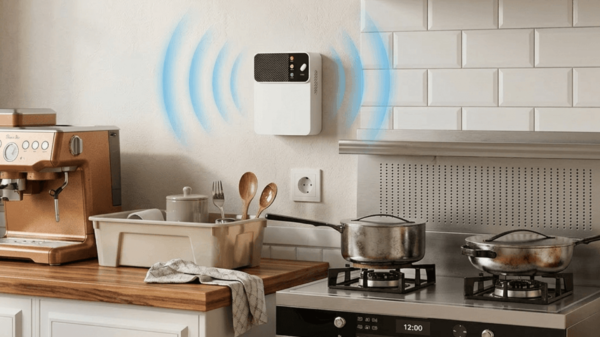
This is where IoT changes everything. Smart gas detectors bring connectivity, intelligence, and scalability to gas detection systems, enabling building owners to manage compliance with far greater efficiency. These devices are designed not only to detect natural gas leaks, but also to communicate data in real time.
A connected gas detecting system allows property owners to monitor all detectors across buildings from a centralized dashboard. This ensures that every natural gas alarm is operational, properly installed, and compliant with local law requirements. It also simplifies documentation for DOB inspections, which is often a major pain point.
From an operational standpoint, connected systems enable:
- Real-time alerts in case of gas leaks
- Remote monitoring of gas detectors residential installations
- Automated compliance reporting for local law 157
- Predictive maintenance of detecting devices
This is not just about meeting regulations—it’s about transforming gas safety into a proactive, data-driven process.
Simplifying installation of natural gas alarms in residential buildings
Deploying natural gas detectors across multiple dwelling units can be complex, especially when installations must comply with NYC construction codes. The law often requires intervention from a licensed electrical contractor, particularly for hardwired gas alarm systems.
However, newer smart gas detectors are designed to simplify the installation of natural gas alarms, reducing both time and cost. This is a key advantage for building owners managing multiple dwellings, where scalability is critical.
In buildings with gas piping systems, ensuring consistent placement of gas detecting devices is essential for effective gas leak detection. Connected solutions help standardize deployment while ensuring each device is properly configured and operational.
From my experience, combining simplified installation with connected monitoring is the most effective way to achieve both compliance and long-term gas safety.

Enhancing gas safety in nyc buildings with smart monitoring
Beyond local law requirements, connected gas monitoring systems significantly improve overall fire safety and risk management. In the event of a natural gas leak, smart gas alarms can trigger alerts not only within the dwelling unit, but also across the entire building system.
This multi-level alerting capability is essential in New York City buildings, where density increases the potential impact of gas leaks. By using smart gas detectors, building owners can respond faster and reduce the likelihood of serious incidents.
Additionally, these systems provide valuable data on gas events, helping identify recurring issues in specific buildings or gas piping zones. This allows for a more proactive approach to gas safety, moving beyond simple compliance toward continuous improvement.
Preparing for dob inspections and long-term compliance
Compliance with Local Law 157 is not a one-time effort—it requires ongoing monitoring, documentation, and readiness for DOB inspections. This is where connected systems provide a decisive advantage.
With a centralized gas detection system, building owners can easily generate compliance reports, verify that all gas detectors residential units are operational, and demonstrate adherence to NYC construction codes. This significantly reduces the administrative burden typically associated with inspection processes.
In addition, connected detecting devices can automatically log events, maintenance actions, and alarm triggers. This creates a digital audit trail, which is invaluable when dealing with regulatory authorities in New York City.
From my perspective, the future of gas safety in buildings clearly lies in smart, connected systems. Not only do they simplify compliance with local law, but they also empower owners to manage their assets more efficiently, reduce risks, and deliver safer living environments across multiple dwellings.