


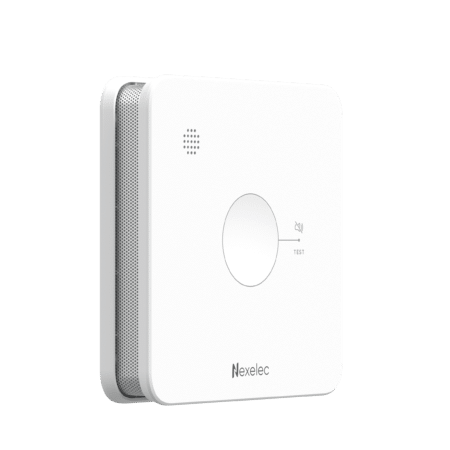



Intelligent fire monitoring thanks to connected smoke detectors
Thanks to connectivity, you receive alerts, monitor the sensor status in real time, and maintain a centralized view of your equipment. The connected smoke sensor allows you to anticipate incidents and enhance building safety, even when no occupants are present.
Unlike smoke detectors (DAAF), this sensor is not intended to meet regulatory requirements. It is designed to complement them, offering more precise control, easier maintenance, and continuous monitoring of building stock.
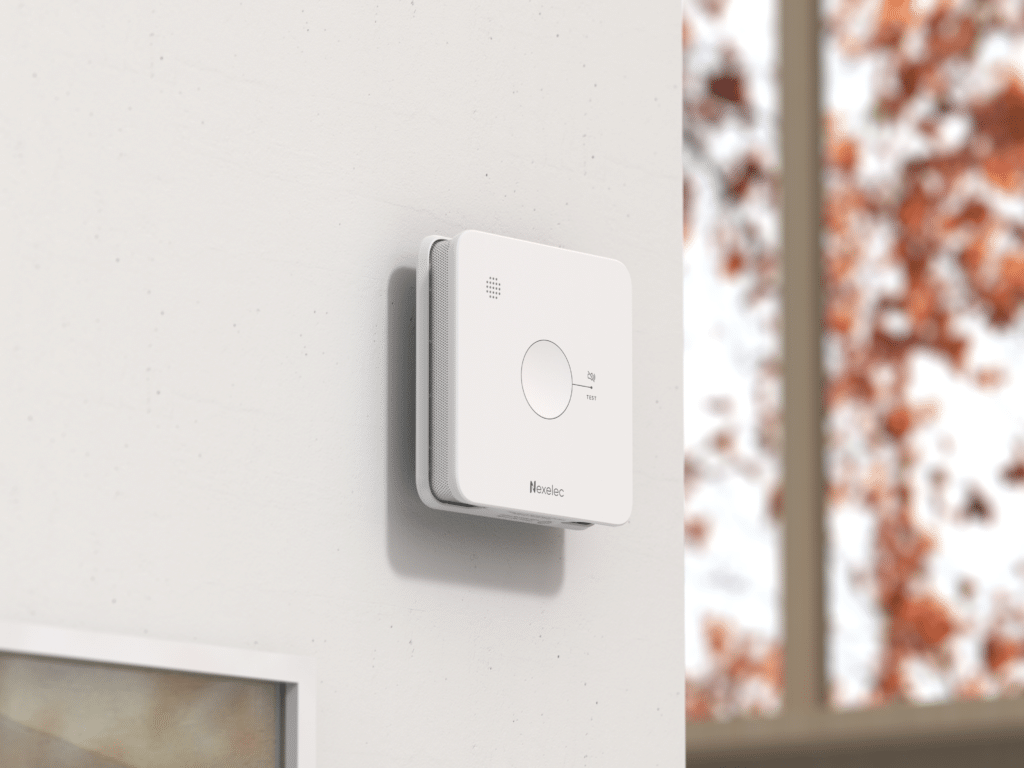
Discreet design, simple installation, and data that can be used at any time. An ideal solution for managers, landlords, and IoT integrators who want to improve the safety of their buildings.
Frequently Asked Questions
Our experts answer your questions
The connected carbon monoxide sensor can quickly detect high concentrations of this gas in the air and warn occupants of a room so they can take appropriate action. This gas is odorless, invisible and toxic: inhaling CO can trigger headaches, fatigue, nausea and vomiting, and can even be fatal.
Carbon monoxide emissions
The source of the CO may come from :
- Oil, coal and gas heating equipment…
- Wood stoves
- Gas and fire boilers
- Tobacco smoke
- Barbecues
- Gas appliances such as stove, oven, refrigerator…
WARNING: for your own safety, do not disable your detector if it is operating correctly!
To switch off a sealed-battery detector, simply take a paper clip, insert it into the square hole at the back of the product, and pull slightly to raise the switch. If the detector has a changeable battery, simply remove the battery to switch the product off.
Please wait at least 20 seconds before switching the detector back on.
The detector can emit various visual (LED flashing) and/or audible (beep) signals:
- Normal operation: one green/minute LED flash
- Audible alarm mode: one red LED flash/second + one beep/second
- Audible alarm pause mode: one red LED flash/second
- Low battery: one flashing orange LED + one beep/minute
- Malfunction: one green LED flash/minute + two orange LED flashes/minute + two beeps/minute
- End of detector life: one green LED flash/minute + three orange LED flashes/minute + three beeps/ minute
- Test mode: Green and orange LEDs steady + red LED flashing + beeps during test